Breathing new life into an existing structure is one of the most rewarding challenges in engineering. Whether it is a historic building requiring sensitive restoration or a mid-century commercial space undergoing adaptive reuse, renovation projects demand a unique blend of technical expertise, creativity, and respect for the original architecture.
At Walsh Goodfellow, we have extensive experience in the renovation sector, working on projects that range from delicate heritage restorations to large-scale commercial retrofits. While new builds offer a blank canvas, renovations require engineers to work within the constraints of what already exists—a process that is often more complex, but ultimately highly sustainable and culturally valuable.
The Hidden Challenges of Existing Structures
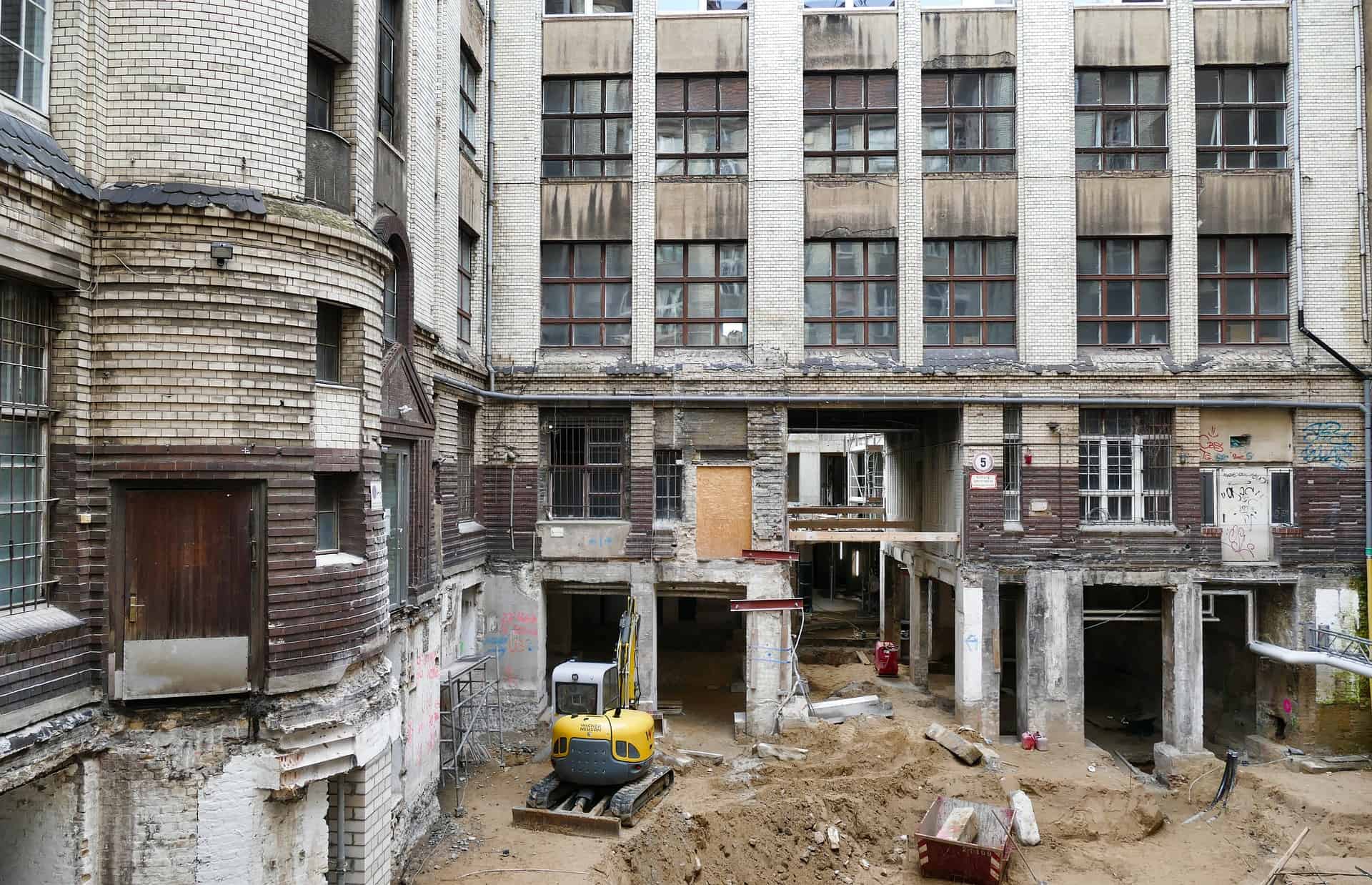
The primary challenge in any renovation project is the unknown. Unlike a new build where every material and connection is specified and controlled, an existing building is a product of its time. It may contain outdated materials, undocumented structural modifications, or hidden deterioration that only becomes apparent once the walls are opened up.
Before any design work can begin, a thorough structural assessment is essential. This involves investigating the existing load paths, testing material strengths, and identifying any areas of structural weakness or failure. In older buildings, this often means dealing with materials like cast iron, early reinforced concrete, or traditional masonry, which behave very differently from modern construction materials.
Balancing Preservation with Modern Standards
One of the most delicate balancing acts in heritage engineering is upgrading a building to meet modern safety, accessibility, and performance standards without compromising its historical integrity.
For example, bringing an 18th-century building up to current fire safety or seismic codes often requires significant structural interventions. The engineering challenge is to design these interventions so they are either completely hidden within the fabric of the building or carefully detailed to complement the original architecture. This requires close collaboration between the structural engineer, the architect, and heritage consultants.
Adaptive Reuse: The Ultimate Sustainable Choice
From an environmental perspective, the most sustainable building is often the one that already exists. Adaptive reuse—repurposing an existing building for a new function—is a powerful way to reduce the carbon footprint of a development.
By retaining the existing superstructure and foundations, the embodied carbon associated with demolition and new construction is drastically reduced. However, changing a building’s use often means changing its loading requirements. Converting an old warehouse into modern office space or residential apartments may require strengthening the existing floors or modifying the structural grid to accommodate new layouts and services.
At Walsh Goodfellow, we approach these challenges with a focus on practical, value-driven solutions. We look for ways to maximise the capacity of the existing structure, minimising the need for heavy interventions. When strengthening is required, we utilise modern materials and techniques—such as carbon fibre reinforcement or lightweight steel framing—to achieve the necessary performance with minimal impact on the building’s fabric.
A Collaborative Approach to Complex Problems
Renovation projects are inherently unpredictable, requiring a flexible and collaborative approach. When unexpected issues arise on site, the engineering team must be able to respond quickly with practical, buildable solutions that keep the project moving forward.
This is where experience and strong communication are invaluable. By working closely with contractors and architects throughout the construction phase, we ensure that our engineering solutions are not only structurally sound but also practical to implement within the constraints of an existing building.
Renovating and repurposing existing buildings is essential for sustainable urban development and the preservation of our architectural heritage. It requires a deep understanding of historical construction methods, a creative approach to problem-solving, and a commitment to collaborative working—qualities that are at the heart of Walsh Goodfellow’s engineering practice.